


He-3 and Low Temperature Inserts
He-3 Inserts for temperatures to 0.3K
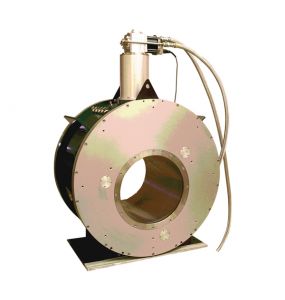
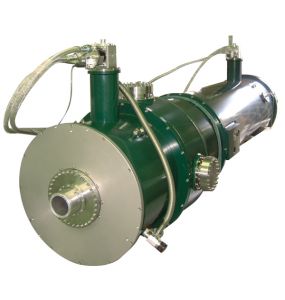
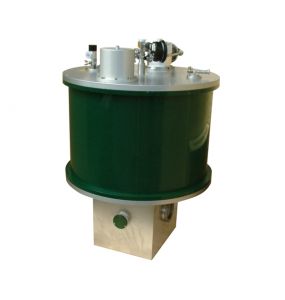
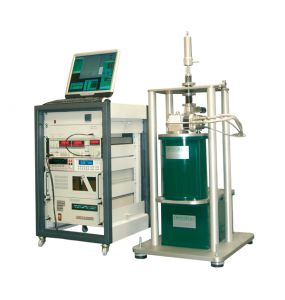
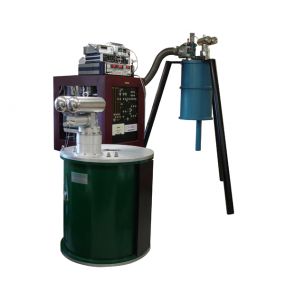
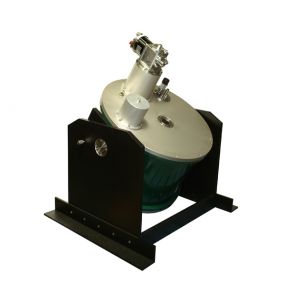
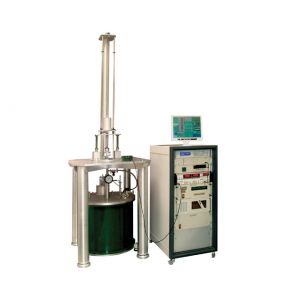
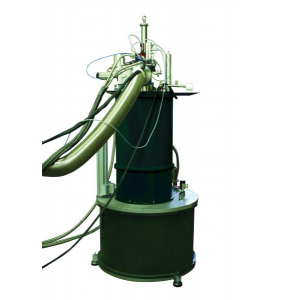
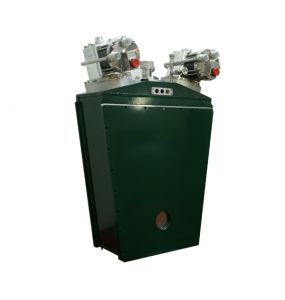
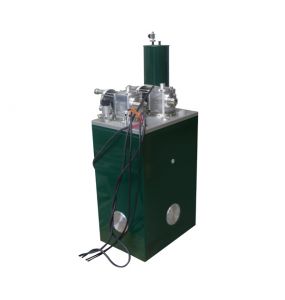
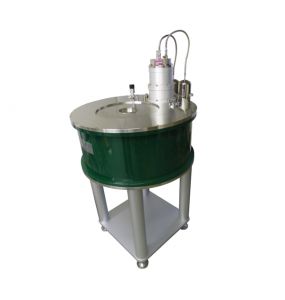
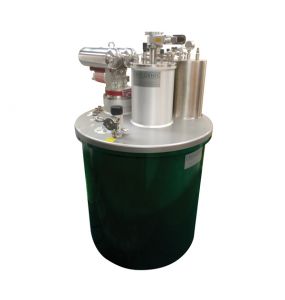
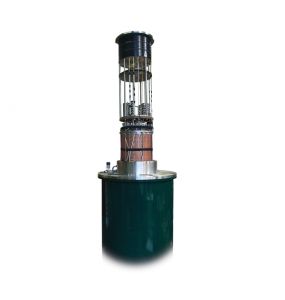
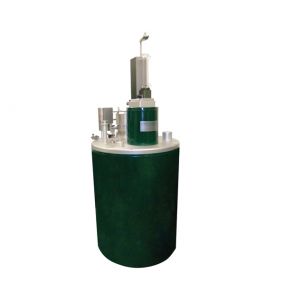
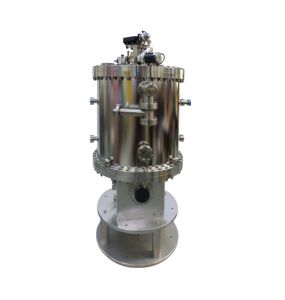
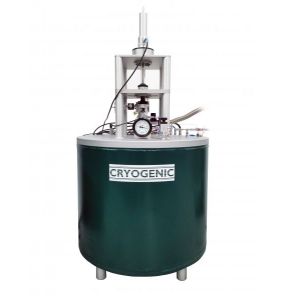
Cryogenic's range of top and bottom loading He-3 low temperature inserts permit the cooling of samples to below 0.3K.
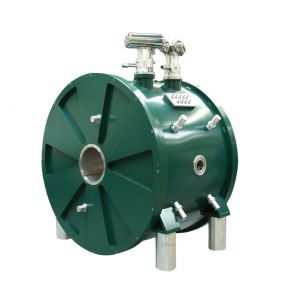
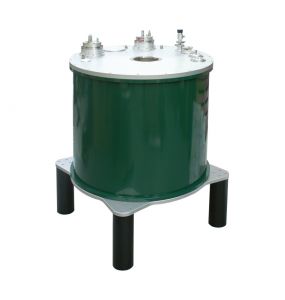
The He-3 inserts can be directly exchanged for the standard Variable Temperature Insert (VTI) as both units are self contained. By this means the same cryomagnet can be used for experiments over the range 1.6K to 300K with the VTI and 0.3K to 100K with the He-3 unit. Using a small dilution unit the temperature can be reduced to a few mK.
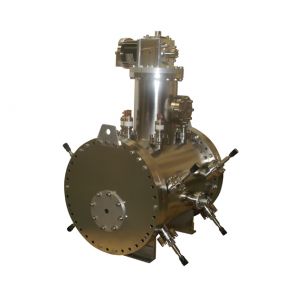
Cryogenic manufactures a range of He-3 inserts to suit many different user requirements. The two major styles of insert differ in the thermal contact to the sample.
Top Loading Inserts
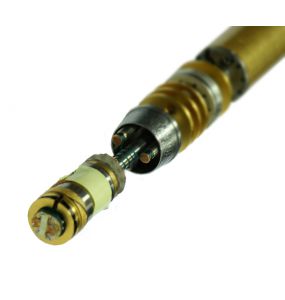
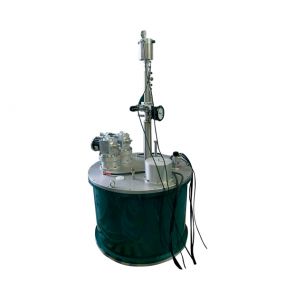
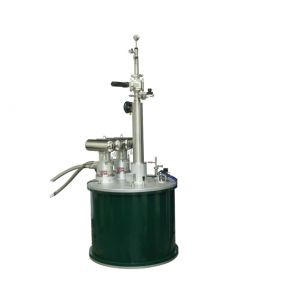
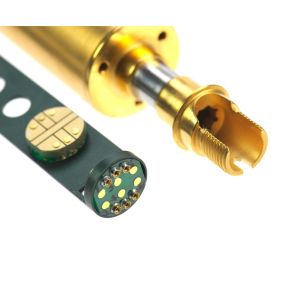
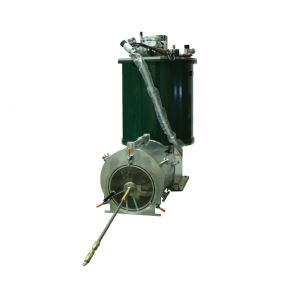
With the Top Loading Insert the sample is mounted on a long probe which is inserted through the gate valve and an airlock (see diagram), thus allowing for rapid sample changes whilst maintaining the He-3 charge. The probe passes right down to the bottom of the insert where the sample sits in a pool of liquid He-3. With this system it is easy to change the sample in the same way as with a conventional VTI.
Bottom Loading Insert
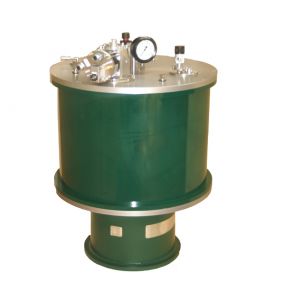
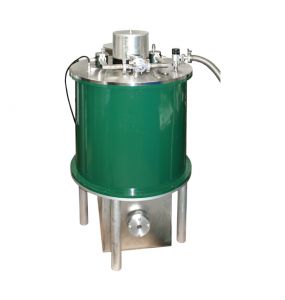
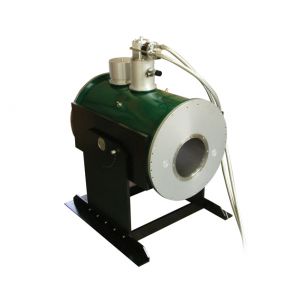
The Bottom Loading Insert allows access to the sample by lifting the insert out of the cryostat and removing the lower part of the vacuum jacket. The sample is placed on the lower face of the He-3 pot thereby being directly conduction cooled. The Bottom Loading inserts are useful because they use very little He-3 and they can be built small enough to fit inside small cryostats or storage dewars.
The Variable Temperature Insert
Cryogenic offers a wide
range of variable temperature inserts (VTI's) with the
availability of 3 different temperature ranges; 1.6K -
100K, 1.6K - 300K and 1.6K - 400K the available standard
units have sample spaces from 18mm to 48mm.
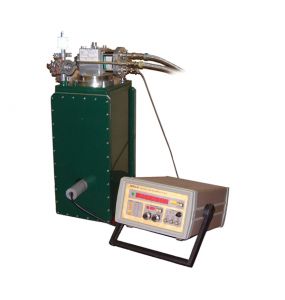
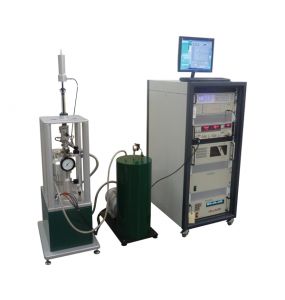
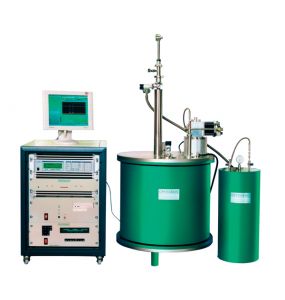
A typical VTI consists of a cryostat containing a pool of liquid helium to cool the superconducting magnet and an insert which controls the temperature of the sample.
The VTI operates by drawing liquid helium from the main cryostat bath through a filter and a needle valve. The liquid He-4 passes through a heat exchanger into the sample space and is then pumped away by a room temperature vacuum pump. An integral heater and sensor on the heat exchanger allows the temperature to be set to any value from 1.6 to 320K.
As an option Cryogenic supplies motor driven needle valves so that the helium flow rate can also be controlled from the computer.
|